 Leadership
Takeaways Successful collaboration requires prioritizing teamwork and aligning new projects and ideas with the overarching goals of the organization. Strategies for making the case for a new project or initiative include establishing subject matter expertise, tailoring the message, and having a win-win mindset. The most influential leaders understand others’ perspectives…
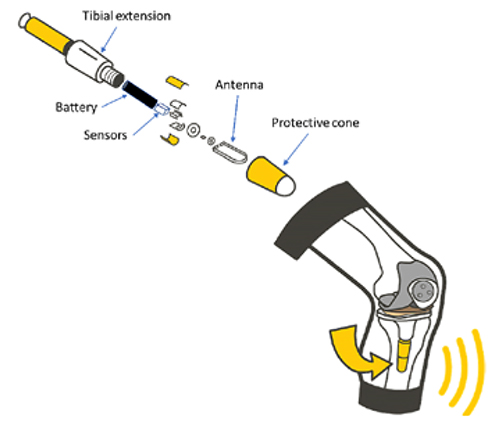
Takeaways Transmitting health metrics directly from a surgical implant reduces the need for in-person followup and offers more objective data on recovery than patient-reported measures. This technology’s potential extends beyond knees. Whatever the nature of the treatment, postop monitoring is critical. Patient education is essential for setting up the data…

I still recall being handed roughly 10 boxes of suture anchors to practice with years ago at New York University (NYU) medical school. “Aren’t these needed here?” I asked incredulously. “Not at all,” came the answer, despite a hefty price tag of $1,000 per box. In fact, getting the suture…

For me, the answer is easy. For 25 years I have consistently said, “I’ve never nursed an OR a day in my life; it’s always been the patients.” As perioperative nurses, what we do is about more than where we work. Why is it that 25 years after the Association…

Reforming instrument reprocessing practices does not always end with the main sterile processing department (SPD). Holding clinics to the same standard adds to the challenge, whether they are associated with hospitals or operate independently. Nonetheless, standardization is just as essential to maintaining efficiency and quality standards. Establishing and maintaining best…

Complex problems do not always require complex solutions. Consider the surgical safety checklist. In 2020, more than a decade after the World Health Organization (WHO) started advocating that every hospital use the checklist, research from PSNET found that more than 90% of ORs in countries with a high human development…
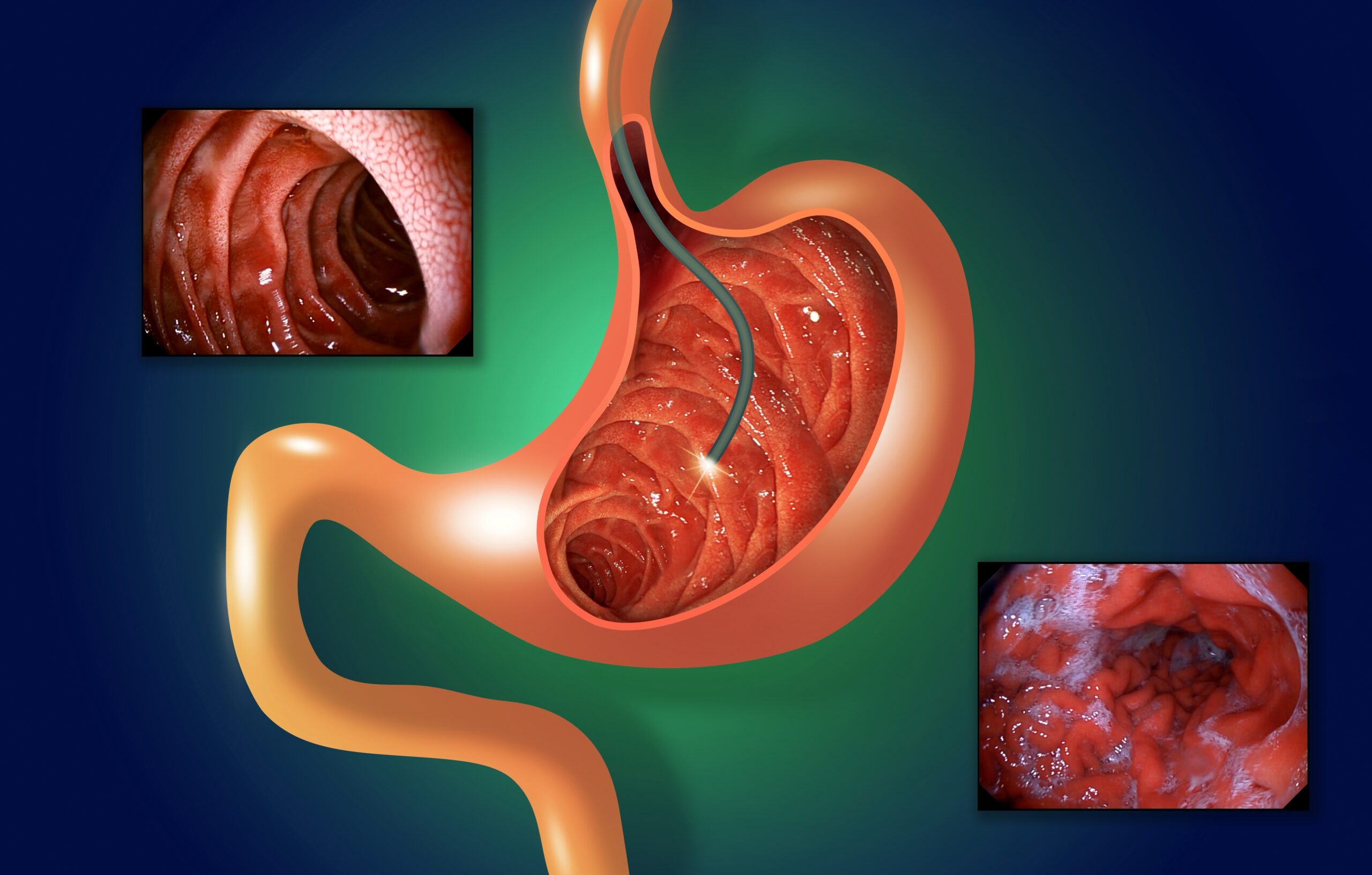
Gastrointestinal (GI) endoscopy is one of the most common procedures in the US. Performed more than 17.1 million times per year in inpatient and outpatient hospital settings as well as ambulatory surgery centers (ASCs), GI procedures account for 68% of all endoscopies, according to a May 2022 article in Digestive…
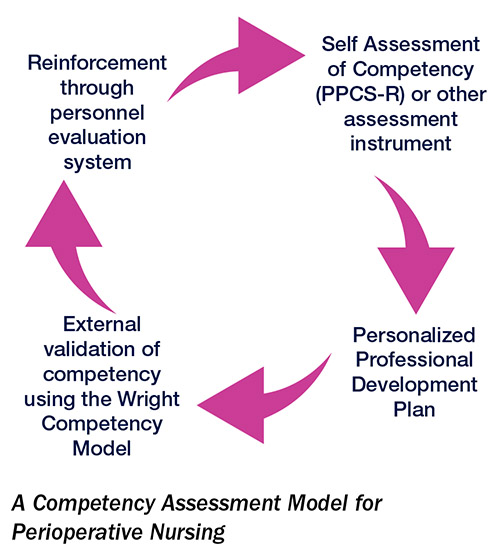
Competency assessment in perioperative nursing—and American healthcare in general—is a story of unrealized potential. Particularly in the wake of the pandemic, staffing shortfalls and financial pressures have made focusing on staff development difficult for nurse leaders. Nonetheless, the argument for investing more in professional development and competency has never been…

Is working with a healthcare vendor a necessary evil? For leaders in the perioperative space, where vendors abound, it may be tempting to answer “yes.” The relationship between vendors and nurse leaders is a delicate balance between give and take, but sometimes the take seems to outweigh the give. Nonetheless,…

Takeaways Meeting people where they are is a basic principle of staff development. Coaching and mentoring are fundamental to employee development, but new managers should understand the difference. Resources for staff development include education, certification, clinical ladders, committee work, and professional networking. Transitioning to leadership involves many competing pressures, but…