 Leadership
As we celebrate National ASC Month, it is worth recognizing how central ambulatory surgery centers (ASCs) have become to modern healthcare. Today, there are more than 12,000 ASCs across the US, including over 6,500 Medicare-certified facilities operating some 18,800 surgical suites. With over 80% of all surgical procedures being performed…

Although hospital performance from January to April 2025 outpaced the first 4 months of 2024, according to Kaufman Hall’s June 2025 “National Hospital Flash Report,” many surgical departments remain under intense financial pressure. Labor and supply costs continue to rise, while surgical services are especially vulnerable to inefficiencies like labor…
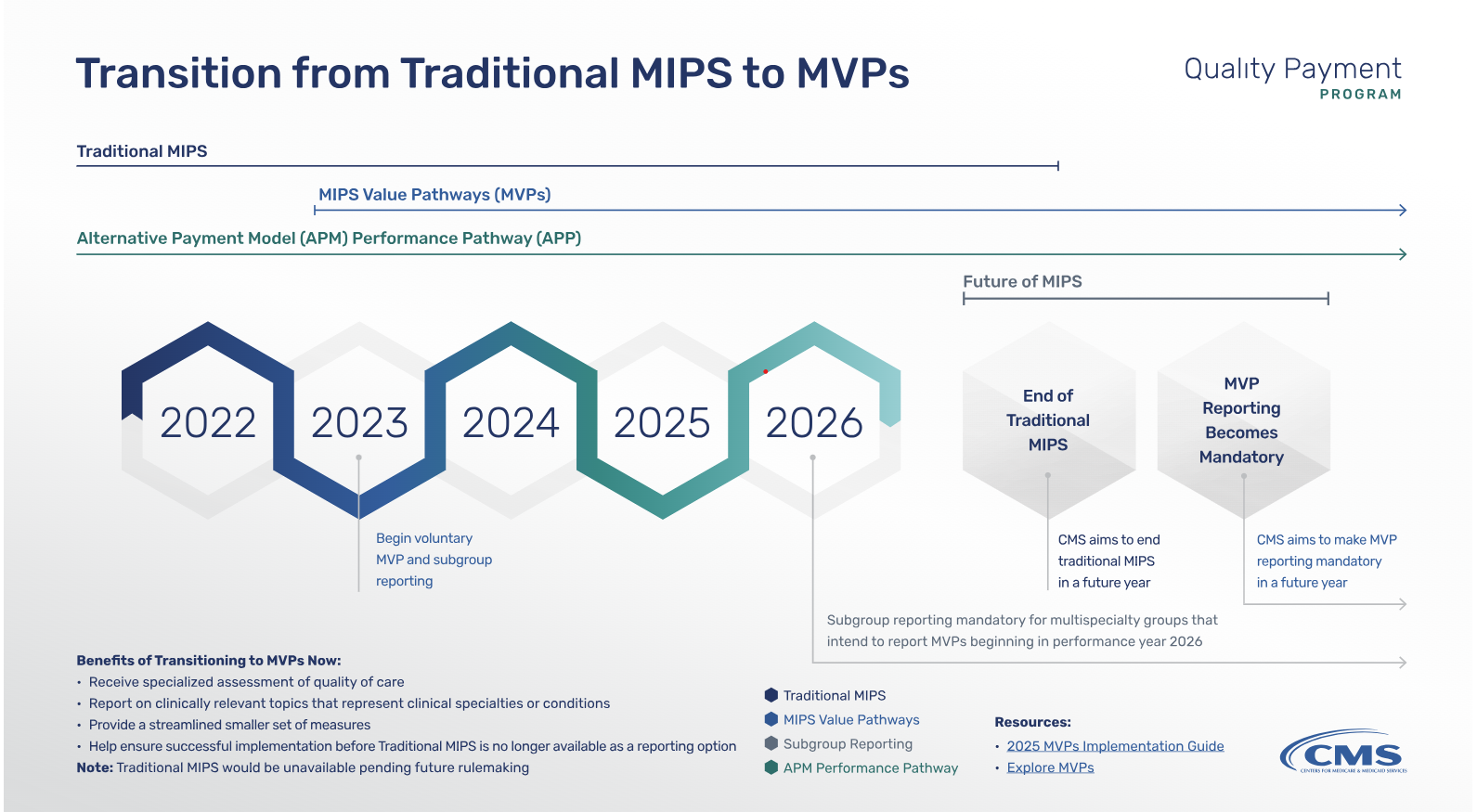
In July 2025, the Centers for Medicare & Medicaid Services (CMS) proposed sweeping changes to the Medicare Physician Fee Schedule for calendar year 2026. Among the most impactful updates is the launch of the Ambulatory Specialty Model (ASM)—a mandatory value-based payment program focused on heart failure and low back pain.…

Running an ambulatory surgery center (ASC) is not for the faint of heart. ASC leaders are navigating tight margins, stricter-than-ever quality reporting, lean staffing resources, payer squeeze, and a relentless push to be profitable without proper support. And yet, the ASC market is booming. The number of Medicare-certified ASCs has…

Perioperative leaders often have to make critical decisions, not just in the middle of an operational crisis but also somewhere in the edges—the routine but still high-stakes moments where leaders need to adjust resources or absorb costs under tight constraints. The economic margin for error continues to narrow, and many…

Editor’s Note: This page is a companion piece to the main article, Emergency preparedness: Identifying essential supplies for unplanned surgical events. While the main article outlines the principles of emergency readiness and supply preparation in the OR, the posts below offer a closer look at two key implementation areas: Supply…

While most emergency surgical procedures are carried out uneventfully and safely, the OR is also a place where potentially life-threatening and least-expected instances can arise. Emergencies such as malignant hyperthermia, intraoperative cardiac arrest, and anaphylaxis can catch OR leaders and staff off guard. Perioperative teams need proper and adequate preparation…

How would you describe the ideal OR? Whatever the answer, the chance to reimagine and reshape the perioperative suite can be among the most exciting projects of a perioperative leader’s career. However, OR construction and renovation also can be among the most daunting projects of a perioperative leader’s career. Just…
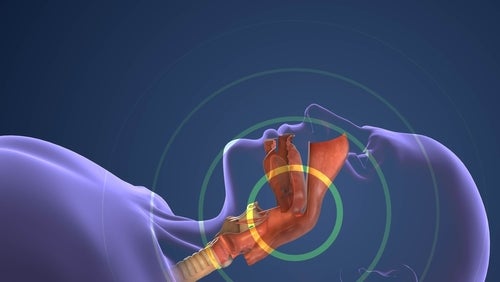
An estimated 22 million Americans were believed to have obstructive sleep apnea (OSA) in 2019, according to data cited in a February 2019 article published by OR Manager. At that time, up to 80% of cases were undiagnosed, and 30% to 40% of the surgical patient population was believed to…

Comparing healthcare to aviation is a long-standing tradition, especially when discussing safety systems like checklists. However, the similarities extend beyond protocols. Just as flying a paper airplane differs vastly from piloting a jumbo jet, so too does earning a certificate of attendance differ from achieving professional certification. Parallels like these…