 Safety
Takeaways • Although the central tenets of value-based healthcare have not changed, in many cases implementation has been reduced to little more than reducing costs, to the detriment of clinicians and patients. • The right incentives, such as recognition and work support, can effectively inspire clinicians to deliver high value…

Takeaways • Interdepartmental collaboration and standardized communication are essential to quickly identifying and addressing supply chain challenges. • Just-in-time inventory strategies have gained traction since the pandemic. Successful strategies involve leveraging data, rethinking preference card management, and shifting to a demand-planning model. • Resiliency is essential to cope with the…
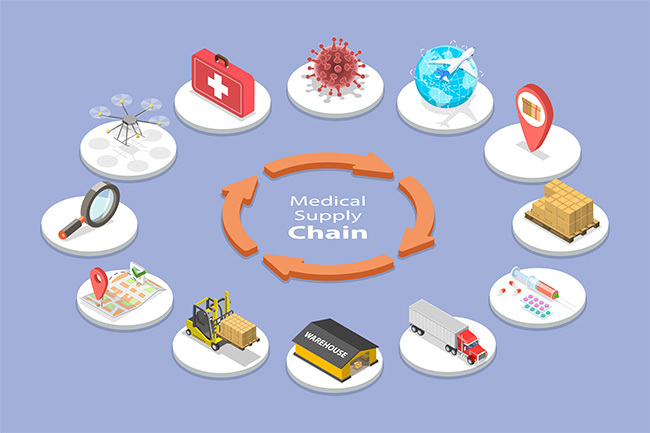
Ensuring safe, quality care requires precise alignment among inventory levels, delivery schedules, storage solutions, and every other element of the supply chain. A single missing piece of this puzzle—say, a delayed shipment or a storage issue—can disrupt the entire picture. Making the pieces fit can be difficult for any healthcare…

What happens when a surgeon uses the monopolar instrument set on 30-W coagulation mode to create an upper midline incision in a patient with a pacemaker? Pacemaker function is interrupted, causing a heart block that results in hemodynamic instability—or at least, this is what could happen without taking the necessary…

Takeaways • Requirements for improvement and condition level deficiency findings have been trending up in recent The Joint Commission surveys. • The scoring trends and OR hot spots focus on infection control, medication management, national patient safety goals, post-surgical electronic health record tracers, and transplant (tissue) safety. • Federal regulations,…

“Surgeons are the only people trained to provide surgery—life-saving care," says Carrie Zlatos, chief of legislative and political affairs at the American College of Surgeons (ACS). "They are an essential element of a community-based healthcare system. Regardless of where you live, everyone should have access to full quality surgical care.”…

Perioperative leaders are entering a time of uncertainty after 2024 proved to be transformative for inpatient and outpatient surgical care. Last year saw important updates from The Joint Commission and the Centers for Medicare & Medicaid Services (CMS) that emphasized improvements alongside ongoing challenges in safety, workforce shortages, reimbursement, and…

Data is collected everywhere, from what we click online to whether we run a red light to how many steps we take each day. There is power in data. When leveraged effectively, data reveal patterns, insights, behaviors, and other potentially actionable intelligence. It stands to reason that data would be…

Takeaways • Documentation and coding procedures are rife with opportunity for cost savings. • Passed in 2022, the No Surprises Act is designed to protect insured patients from surprise billing for emergency services from out-of-network providers. However, the result has been nearly 40% cuts in reimbursements to anesthesiologists. • OR…

Eliminating physical distance as a barrier to communication makes it easier for caretakers to help not only their patients, but also one another. This is the promise of virtual care technology, which offers system-wide potential for providers facing growing demand for high-quality, cost-effective care. For perioperative leaders specifically, advantages of…